The Ultimate Guide to Coloring Pictures of Sunflowers: Brighten Your Day with Art
Explore the psychology, botany, and techniques behind coloring pictures of sunflowers. Tools, tutorials, and free sunflower color sheet inspiration inside.
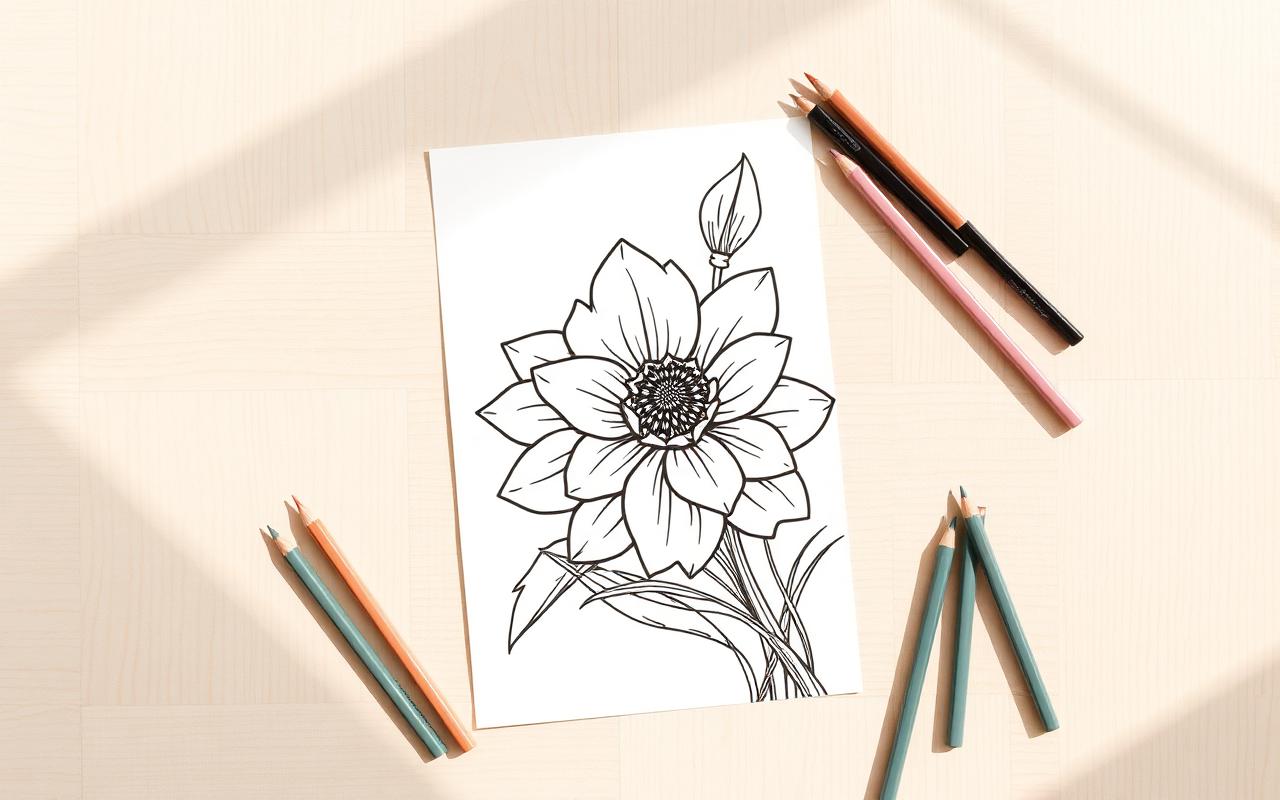
There is a universal truth when it comes to nature: very few things can bring as much instant joy and radiant energy into a room as a sunflower. With their towering stems and brilliant, sun-mimicking faces, these magnificent blooms have captivated artists, poets, and nature lovers for centuries. Today, we are translating that natural brilliance into the world of digital and printable art. If you are looking to immerse yourself in a creative, uplifting activity, diving into coloring pictures of sunflowers is the perfect way to spend your afternoon.
In this comprehensive and detailed guide, we will explore the deep psychological benefits of coloring floral art, delve into the fascinating botanical anatomy of sunflowers to help you color them more realistically, discuss the best artistic tools for the job, and provide a step-by-step tutorial on mastering shading and blending. Whether you are an adult seeking art therapy or a parent looking for engaging activities, this guide will illuminate everything you need to know about our premium and free sunflowers coloring pages.
1. The Psychology of Sunflowers: Why Yellow Makes Us Happy
Before we pick up a single colored pencil, it is important to understand why we are so naturally drawn to sunflowers coloring pages. The answer lies at the intersection of color psychology and art therapy.
Yellow, the dominant color of the sunflower, is globally recognized as the color of sunshine, hope, and happiness. According to color psychology, exposure to bright, warm yellows can stimulate the left side of the brain, encouraging logical thinking while simultaneously releasing serotonin, the brain's natural "feel-good" chemical. When you spend time focusing on a sunflower color sheet, you are actively engaging in a meditative practice. The rhythmic motion of coloring within the lines acts as a grounding technique, lowering cortisol levels (the stress hormone) and reducing feelings of anxiety.
Furthermore, engaging in this specific type of floral art connects us to the concept of "Biophilia"—the innate human instinct to connect with nature and other living beings. Even if you are indoors on a rainy day, bringing a sunflower to life on paper can trick your brain into feeling the warmth of a summer afternoon.
For a deeper dive into how art therapy impacts the brain, you can read this insightful article on The American Art Therapy Association website.
2. Botanical Anatomy: Coloring with Realism
To truly master coloring pictures of sunflowers, it helps immensely to understand the actual structure of the flower. Sunflowers belong to the genus Helianthus, and what we perceive as a single large flower is actually a "flower head" composed of hundreds, sometimes thousands, of tiny individual flowers.
The Ray Florets (The Petals)
The bright yellow, outer "petals" of the sunflower are technically called ray florets. When coloring these, remember that they are not just a flat yellow. They often have a gradient, starting with a deep, warm orange or goldenrod near the center, fading into a bright, almost neon lemon-yellow at the tips. Some varieties even feature stunning red or burgundy rings.
The Disk Florets (The Center)
The large, dark center of the flower is made up of disk florets, which eventually mature into the seeds we love to eat. This area is a fantastic place to practice texture. Instead of coloring it solid black or brown, use a stippling technique (making tiny dots) with dark browns, burnt siennas, deep purples, and even subtle hints of dark green to give it a realistic, 3D appearance.
The Stem and Leaves
Sunflower stems are remarkably thick, robust, and covered in tiny, coarse hairs. Their leaves are large, heart-shaped, and feature prominent veins. Using a mix of olive green, sap green, and a touch of yellow ochre will give your leaves a natural, sun-baked appearance.
Want to learn more about the fascinating biology of these plants? Check out this detailed botanical breakdown on Wikipedia's Sunflower Page.
3. Recommended Tools for the Perfect Sunflower Color Sheet
The quality of your final artwork heavily depends on the tools you choose to use. While a basic box of crayons is great for kids, adults and hobbyists looking to elevate their sunflower color sheet might want to invest in artist-grade supplies.
Wax-Based Colored Pencils: Brands like Prismacolor Premier are incredibly soft and buttery, making them perfect for blending those seamless gradients on sunflower petals. They allow you to layer colors beautifully.
Alcohol-Based Markers: If you prefer a bold, vibrant, and modern look, markers like Copic or Ohuhu deliver solid, streak-free color. Just ensure you print your sunflowers coloring pages on thick cardstock so the ink doesn't bleed through!
Watercolor Pencils: For a softer, more painterly aesthetic, watercolor pencils are phenomenal. You color the page normally, then lightly brush over it with water to melt the pigment.
Expert Tip from the pros: When using wet mediums, always ensure your printer ink is waterproof, or use a laser printer to avoid smudging the black outlines. For excellent reviews on art supplies, we often refer to Strathmore Artist Papers' blog.
4. Step-by-Step Tutorial: Shading Like a Pro
Ready to color? Grab your favorite sunflower color sheet from our Free Floral Printables Collection and follow this step-by-step guide to bring it to life.
Step 1: Lay the Foundation
Start by applying a very light, even layer of your lightest yellow across all the petals. Do not press hard; this is just your base.
Step 2: Define the Shadows
Determine where your imaginary light source is coming from (let's say the top left). The petals on the bottom right, and the areas where petals overlap each other, will be in shadow. Use a soft golden-orange or even a very light, warm brown to gently shade these recessed areas.
Step 3: Build the Mid-Tones
Take a medium, vibrant yellow and color over the middle sections of the petals, blending the light base with the darker shadows.
Step 4: The Center Texture
For the disk florets in the center, start with a dark brown base. Then, take a black pencil and add tiny circular motions or dots around the very outer edge of the center circle to create depth. Add a few dots of dark yellow or gold in the middle to represent pollen.
Step 5: The Magic of Complementary Colors
Here is a secret used by professional artists: to make yellow truly pop, use its complementary color—purple. Take a very light lavender pencil and add the tiniest bit of shading in the deepest, darkest crevices of the yellow petals. It sounds crazy, but the contrast will make the yellow look incredibly vibrant!
5. Watch and Learn: Video Masterclass
Sometimes, watching an artist at work is the best way to learn. While you are coloring, we highly recommend watching this fantastic video tutorial on blending yellow tones.
🎨 How to color a sunflower with colored pencilsPair this guide with our printable floral collection.Browse Free Coloring Sheets →
“Keep your face to the sunshine and you cannot see the shadow. It's what sunflowers do.” — Helen Keller
6. Fun Facts to Inspire Your Art
As you spend time coloring pictures of sunflowers, ponder these amazing facts:
Heliotropism: Young sunflowers actually track the sun, moving their heads from east to west throughout the day. At night, they reset to face east, waiting for the dawn.
Mathematical Perfection: The seeds in the center of a sunflower are arranged in a mesmerizing spiral pattern that follows the Fibonacci sequence, maximizing the number of seeds that can fit.
Historical Masters: The legendary artist Vincent van Gogh created a famous series of sunflower paintings, proving that these flowers have always been a muse for creative minds.
If you enjoy these kinds of nature themes, you will absolutely love our collection of Beautiful Coloring Pages of Tulips for your next project.
7. Elevate Your Coloring Experience Today
We hope this guide has inspired you to grab your pencils and start creating. While downloading a single free page is a wonderful start, true coloring enthusiasts know the value of having an expansive, beautifully curated library at their fingertips. Why spend hours searching the internet for high-quality, unpixelated images when you can have them all right now?
Ready to immerse yourself in an endless garden of creativity?
By upgrading to our premium bundle, you gain instant, lifetime access to over 500 high-resolution, watermark-free designs, including our most intricate and exclusive coloring pictures of sunflowers. Print them as many times as you like, on whatever paper you choose. Click the link above to secure your bundle and start building your dream coloring book today!